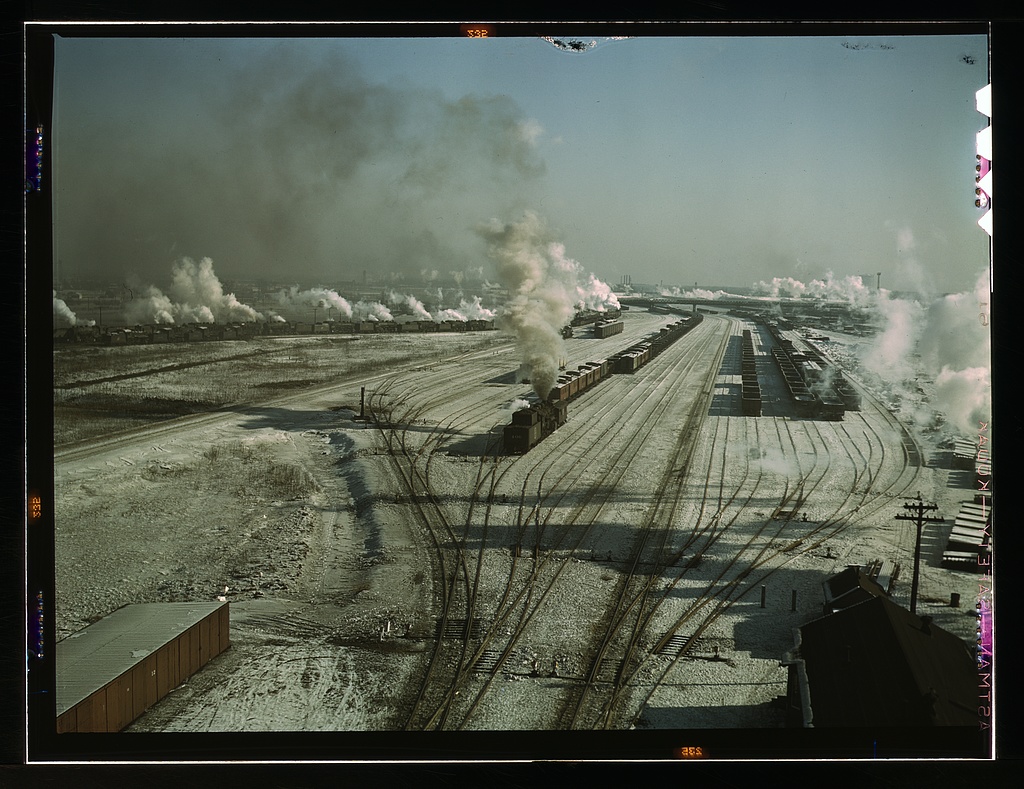
Corridor Strategy
Capacity needs, growth triggers, ownership constraints, passenger-freight conflicts, phasing, and the first fundable segment.
Railroads / public agencies / ports / industrial sites
RailForge turns fragmented corridor data into practical scopes, funding strategies, constraint registers, and delivery roadmaps for transportation teams that need decisions, not theater.
What we do
RailForge sits between strategy, planning, operations, funding, and delivery. We help owners and project teams understand what is real, what is risky, what is fundable, and what should happen next.
Capacity needs, growth triggers, ownership constraints, passenger-freight conflicts, phasing, and the first fundable segment.
Grant fit, CRISI/RRIF readiness, local match logic, benefit-cost evidence, stakeholder sequencing, and decision calendars.
Work windows, maintenance access, crossing exposure, dispatch constraints, asset condition, and service disruption risk.
Scope control, procurement packages, constructability reviews, utility conflict registers, and source-backed executive briefs.
Work products
The product is not a dashboard demo. The product is a credible packet that a railroad, DOT, port, county, shipper, contractor, or investor can use in the next room.
A board-ready packet that explains the problem, the route, the constraints, the options, and the first decision.
A practical view of federal, state, local, port, industrial, and private funding paths with eligibility risk.
Crossings, parcels, bridges, utilities, hydrology, environmental flags, operations windows, and open assumptions.
A phased plan from feasibility through procurement, stakeholder alignment, field validation, and capital commitment.
Evidence standard
We organize public records, operator context, field observations, and commercial data into a transport evidence file. Software helps maintain the file; professionals decide what it means.
| Family | Typical records |
|---|---|
| Network | FRA, BTS, NTAD, railroad ownership, nodes, crossings, bridges, yards, ports, terminals |
| Civil | USGS, FDOT, DEM, flood, drainage, parcels, right-of-way, structures, utilities, field notes |
| Operations | Timetables, service patterns, maintenance windows, road impacts, terminal access, port and intermodal demand |
| Capital | CRISI, RRIF, state programs, local match, benefit-cost evidence, procurement constraints, decision authority |
Generalizable platform
The same operating method applies wherever physical networks, public money, private operations, and civil constraints meet.
capacity studies, grant support, industrial customer access, bridge and crossing priorities
rail-served expansion, gate conflict reduction, intermodal access, drayage exposure
program screening, funding readiness, stakeholder briefs, scope discipline
rail-served location screening, siding feasibility, utility and parcel risk
shared-use constraints, grade crossings, station-area access, reliability improvements
bid intelligence, change-order evidence, procurement and constructability support
Florida application
Florida gives RailForge a practical first market: real rail momentum, port demand, growth pressure, public-private precedent, and corridor constraints that can be studied, scoped, funded, and delivered.
Private rail precedent, growth pressure, ports, FEC/Brightline shared-use lessons, and terrain that rewards disciplined phasing.
Palm Beach to Treasure Coast corridor screen: crossings, bridges, parcels, drainage, operations, funding, and decision path.
A source-backed corridor brief and constraint register that lets owners decide what to study, fund, or kill.
The same method applies to ports, short lines, industrial parks, passenger corridors, and state rail programs.